+1(877) 887-3773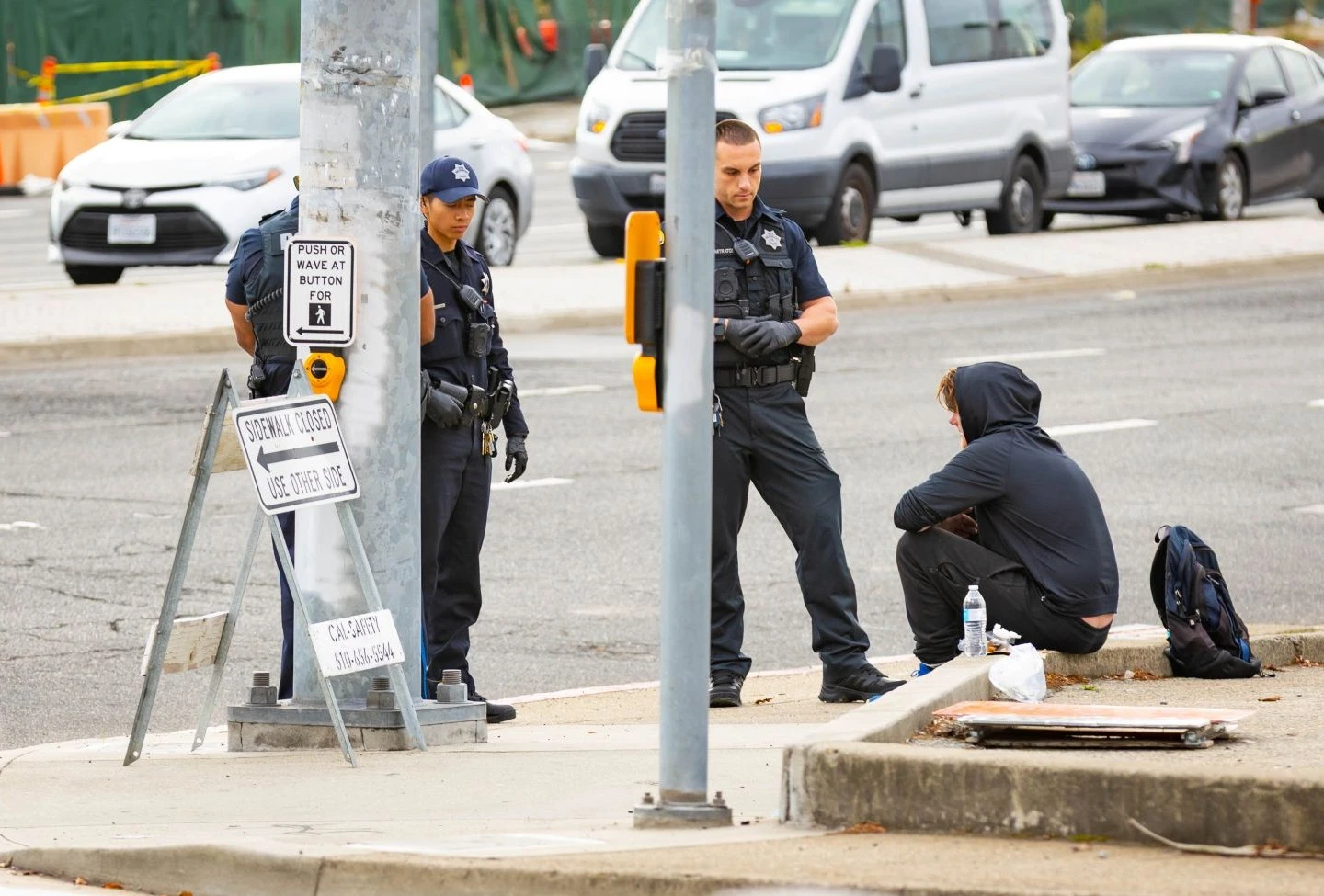
Every city is seeing it. Calls involving mental health, substance abuse, and crisis behavior are rising. Officers are being sent into situations that are unpredictable, emotional, and often dangerous, but not always criminal in the traditional sense.
That leaves police leaders and elected officials with a difficult question: are officers being given the right tools for the calls they are actually handling?
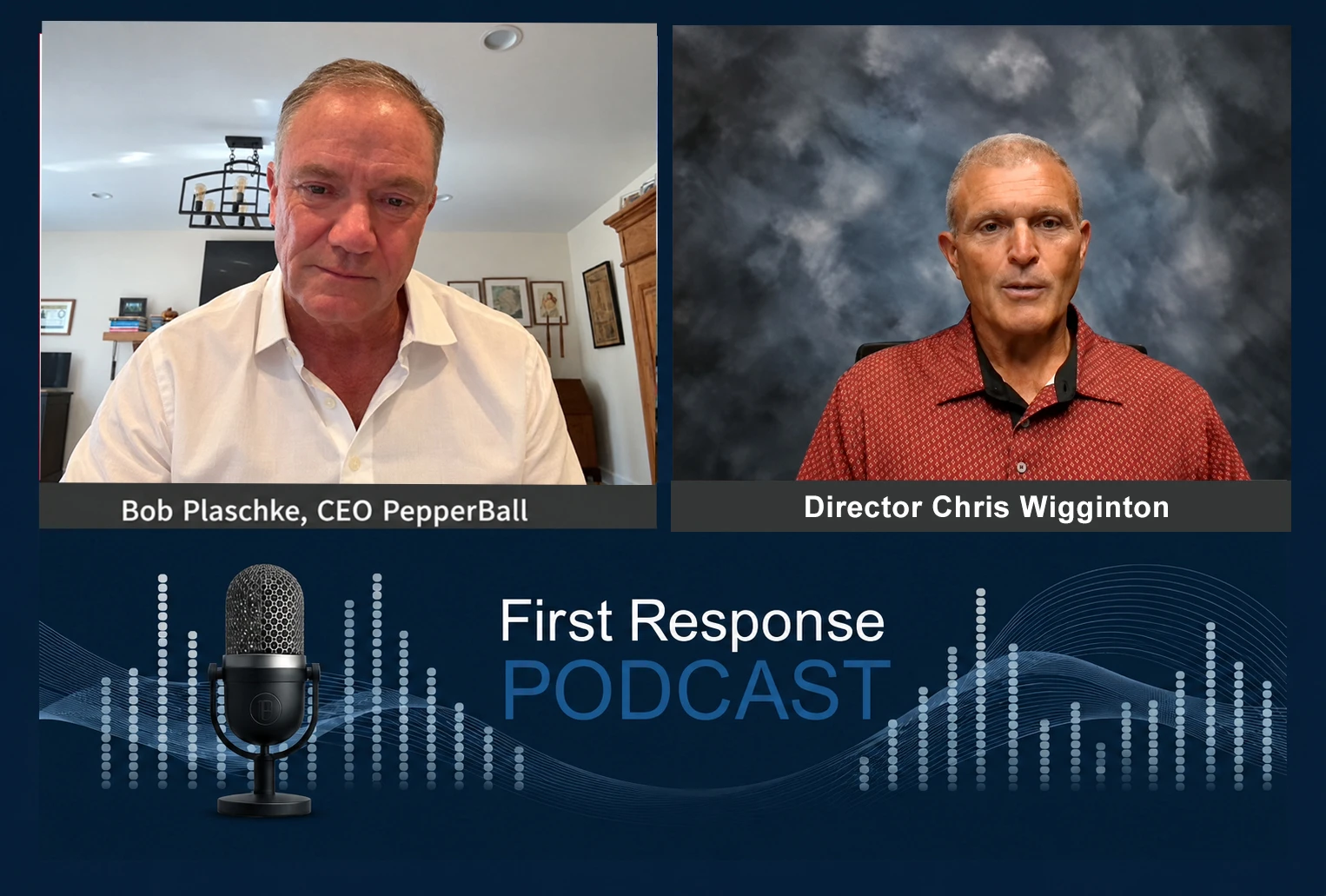
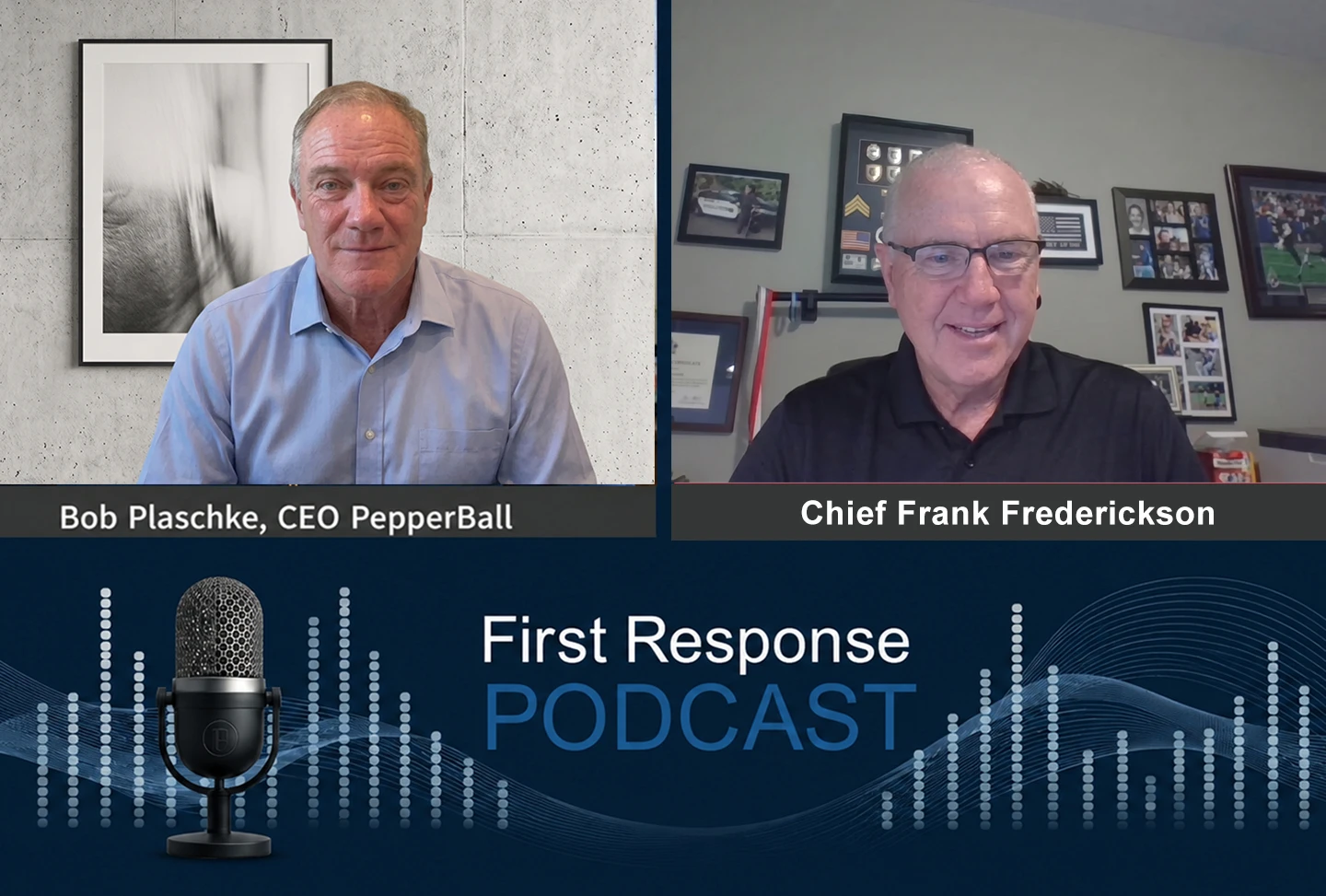
The officers in this new video from PepperBall speak plainly about why that matters. They do not want to hurt people - they want compliance, control, and time to resolve the call safely. In many crisis situations, that is exactly what communities expect from modern policing. That is especially important in situations involving a knife, a weapon, erratic behavior, or a person who is not responding to commands. Officers still need control. But control does not always have to mean a higher level of harm.
When an officer arrives and the only available options are verbal commands, hands-on control, OC spray at close range, or a firearm, the space for a safer resolution can narrow quickly. PepperBall helps widen that space.
PepperBall gives officers a non-lethal option that can be deployed from a greater distance, allowing them to slow the encounter down, communicate with other officers, and build a plan. That distance is not just a tactical advantage. It is a decision-making advantage.
For chiefs, PepperBall can support policy, training, and officer confidence. For city planners and council members, it can support public safety strategies that reduce unnecessary injuries, improve community trust, and give officers practical alternatives before an incident reaches the point of lethal force. And while some uses of force may be legally justified, they still may look terrible to the public. That reality cannot be ignored. Agencies need options that reflect both operational demands and public expectations.
In a public safety environment where calls are more complex and scrutiny is higher, giving officers time, distance, and non-lethal options is not optional. It is responsible leadership. For public officials responsible for budgets, policy, community trust, and officer safety, this is the point: non-lethal tools are not simply equipment purchases. They are risk-reduction investments and an investment in community.
Watch the video here: https://vimeo.com/1188230284?share=copy&fl=sv&fe=ci