+1(877) 887-3773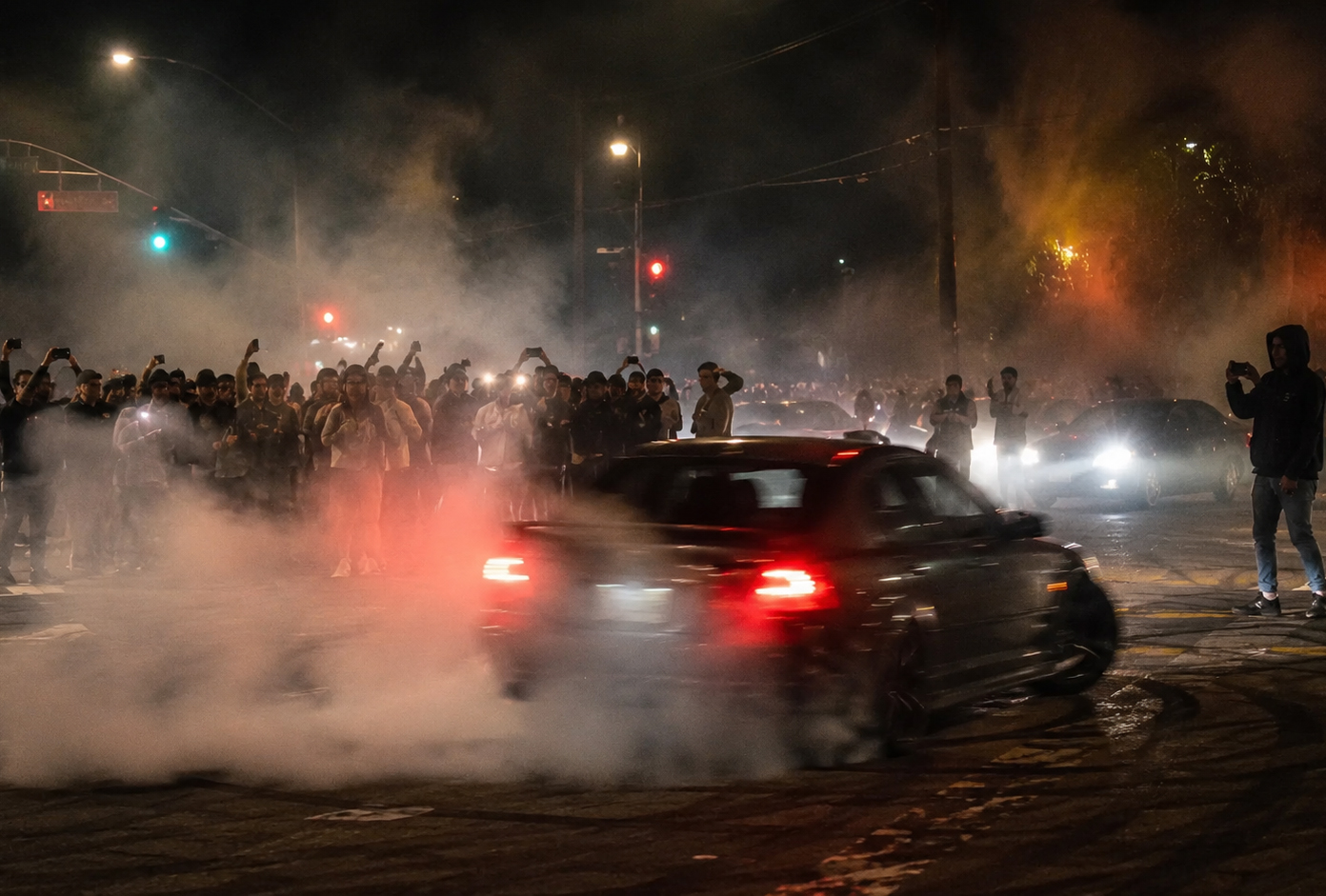
A post goes up at 9 p.m. By 10, a few dozen cars have shown up. By 11, it's several hundred people, and the first calls are coming in.
Street takeovers, fights, unauthorized parties and other events organized through social media can grow from nothing to a serious public-safety problem in under an hour, often before anyone has time to build a traditional operational plan.
Why These Events Are Different
These incidents don't behave like planned events. The crowd changes size by the minute. People move from one location to the next without warning. Officers arriving on scene may find blocked roads, property damage, fireworks or assaults already underway.
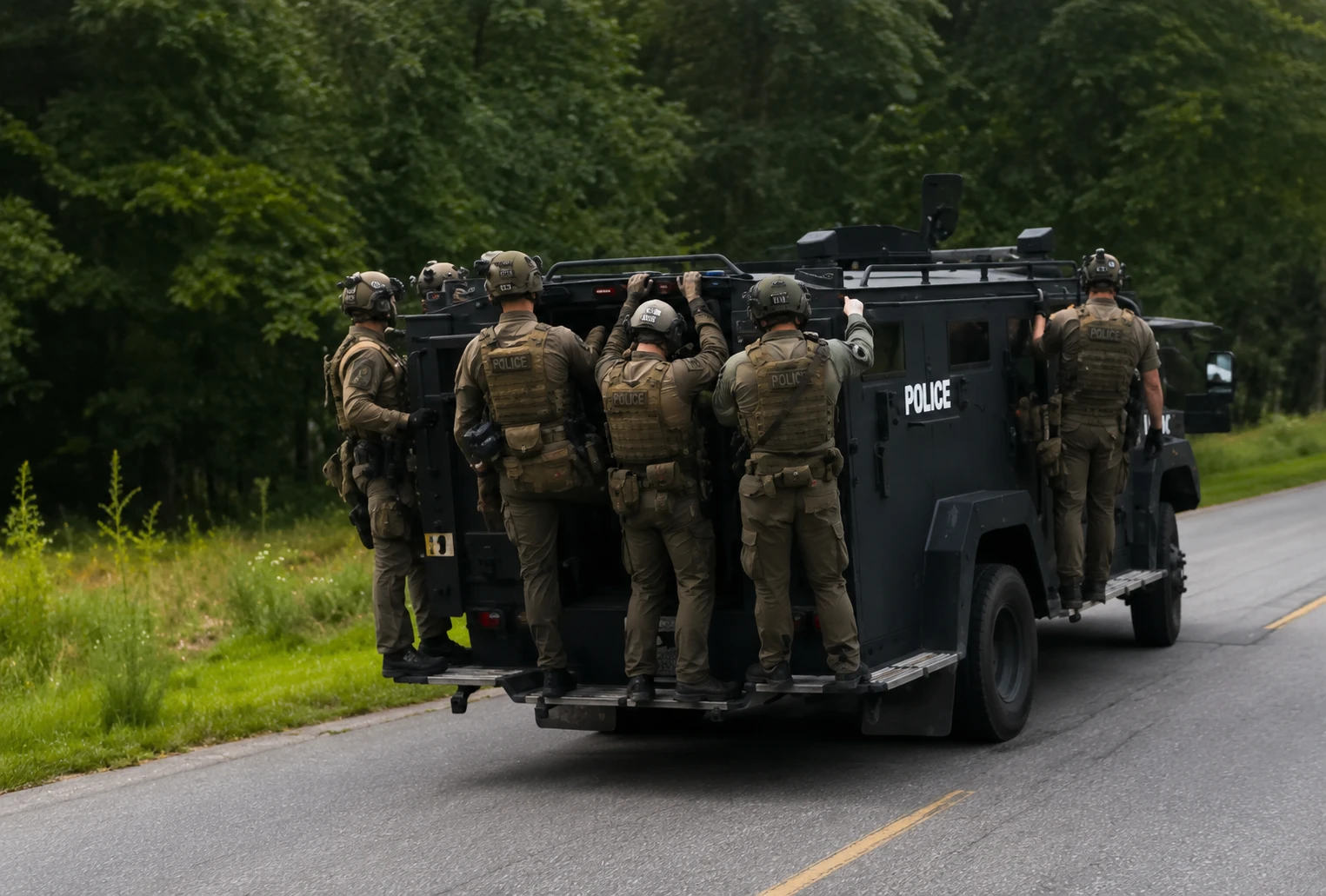
And in those first minutes, the numbers rarely favor the responders. The crowd is usually in place before the full response is, information is still incomplete, and wading directly into a crowd puts officers at real risk of getting surrounded or cut off from each other.
Preparation Starts Before the Crowd Forms
The agencies that handle these events well, usually have one thing in common: the planning happened weeks earlier, not the night of. They know which parking lots and intersections keep drawing crowds. They watch what's circulating publicly online. They have response protocols ready to go, so nobody is improvising at midnight.
The building blocks are familiar to any commander, including traffic control, mutual aid, public-address capability, arrest teams, medical support and planned dispersal routes. What social media changes is how fast all of it has to come together.
An Option That Works at a Distance
This is where the non-lethal PepperBall system earns its place. Often, the visible presence of PepperBall launchers is enough on its own. People think twice about advancing on officers, pushing into a restricted area or keeping up dangerous behavior.
When deployment becomes necessary and agency policy allows it, PepperBall projectiles give officers a way to create distance, influence where a crowd moves and deny access to unsafe areas without laying hands on anyone.
That distance matters. With effective range out to 150 feet, PepperBall buys officers something they rarely have enough of in these situations: time and space to make good decisions.
Area denial isn't just about emptying a location. It's about creating controlled space, room for officers to protect the public, steer crowd movement and deal with the handful of people actually driving the danger. PepperBall helps establish that space while keeping every other option for resolution on the table.
Tools Support Tactics, Not the Other Way Around
No piece of equipment manages a crowd by itself. It takes trained officers, clear commands, disciplined deployment and constant reassessment as the situation shifts.
But when PepperBall is paired with good communication, coordinated tactics and sound policy, agencies can respond faster while relying less on direct confrontation and higher levels of force. That's the outcome everyone is after: officers and the public both going home safe.