+1(877) 887-3773
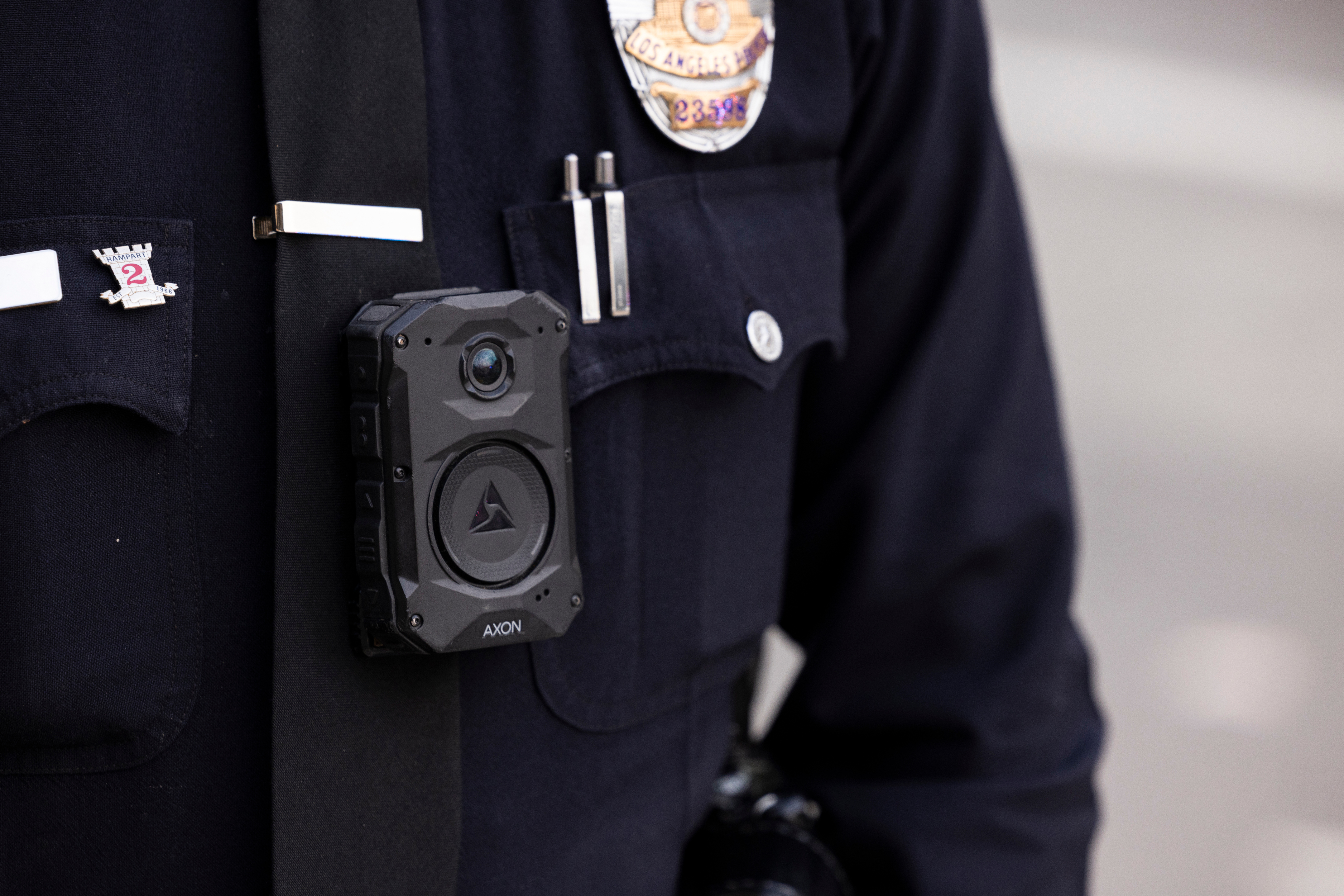
Body-worn cameras changed modern policing because public trust shifted. "Take the officer's word for it" was no longer enough and a shared record became essential. Colonel Frank Milstead, former Mesa, AZ Chief of Police, former head of the Arizona Department of Public Safety and a seasoned law enforcement executive, argues that early adoption mattered even when the technology was clunky. The discipline of recording raised professionalism on both sides of an encounter.
But video is not truth by itself.
A chest-mounted camera can be blocked by a hand, a steering wheel, or a drawn firearm. It doesn't track head movement or replicate the stress, lighting, and perception an officer processes in real time. A single clip reflects one angle, one lens, one microphone - and - the assumptions of whoever is watching. That context matters when footage becomes the central evidence in a public debate or a courtroom.
The harder discipline isn't recording. It's what happens after. Milstead describes a supervisory model built around consistent review, commanders watching a set number of videos each month to spot patterns before court does. Coaching happens early. Corrections happen proactively. Agencies that record without reviewing aren't building accountability. They're building liability.
He also addresses the growing mismatch between what officers are deployed to handle - mental health crises, addiction, homelessness - and the tools and training available to do it. Public safety outcomes follow policy, training, and supervision as much as individual behavior on camera. That accountability belongs at the command and policy level, not just on the officer in the field.
On technology, his most underrated pick is drone as first responder: real-time situational awareness delivered faster and cheaper than a helicopter, before officers ever arrive on scene. The caveat, agencies adopting drone programs need counter-drone planning to keep pace.
The common thread across all of it is the same. Tools don't build accountability. Leadership does.
Listen to the full conversation with Colonel Frank Milstead on the First Response Podcast.