+1(877) 887-3773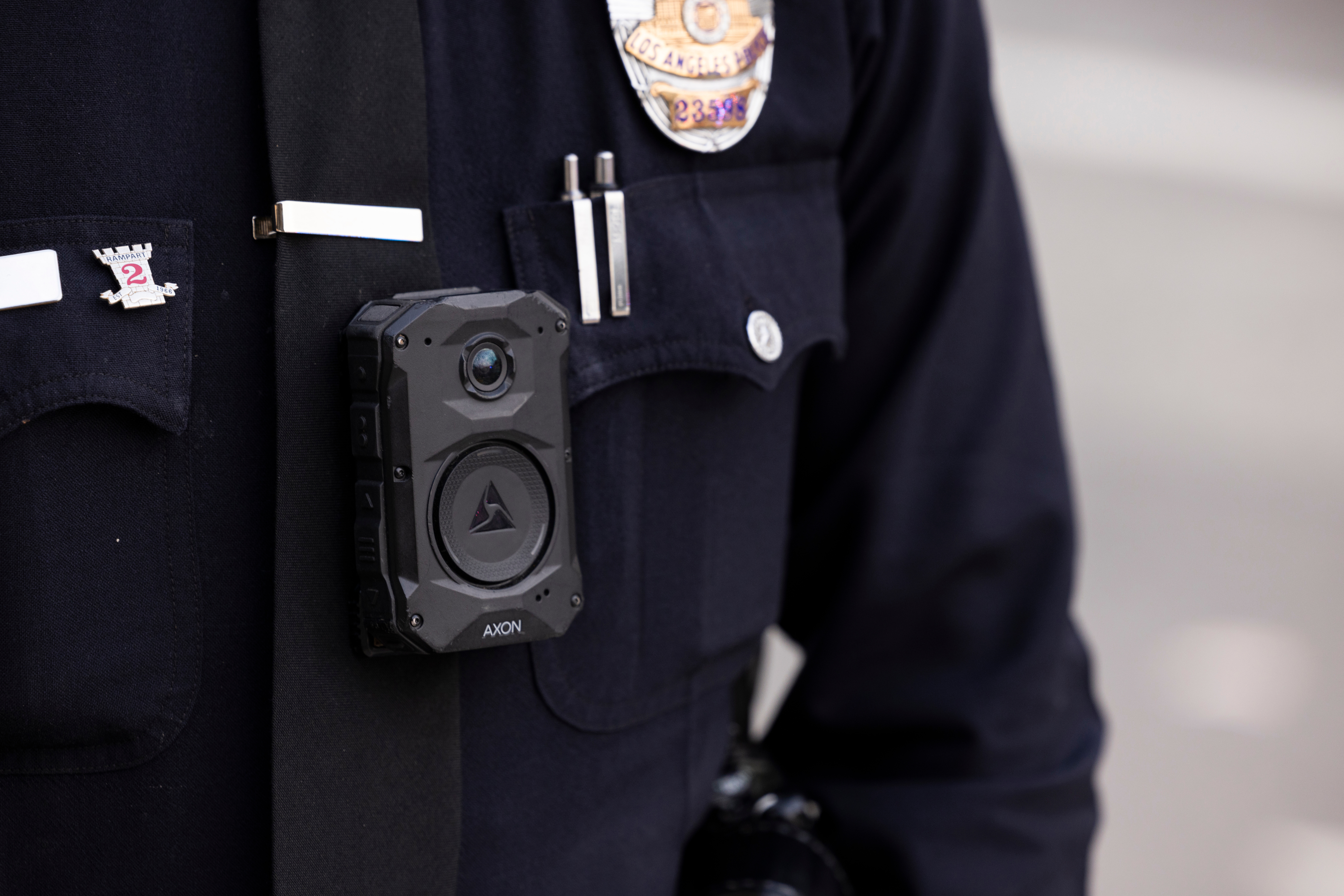
Public trust in law enforcement has never been more consequential or more measurable. Departments across the country are navigating higher scrutiny, more visible encounters, and communities that expect both transparency and restraint. Two tools have emerged at the center of that conversation: body cameras and non-lethal force options like PepperBall®. Used together, they represent something more powerful than either delivers alone.
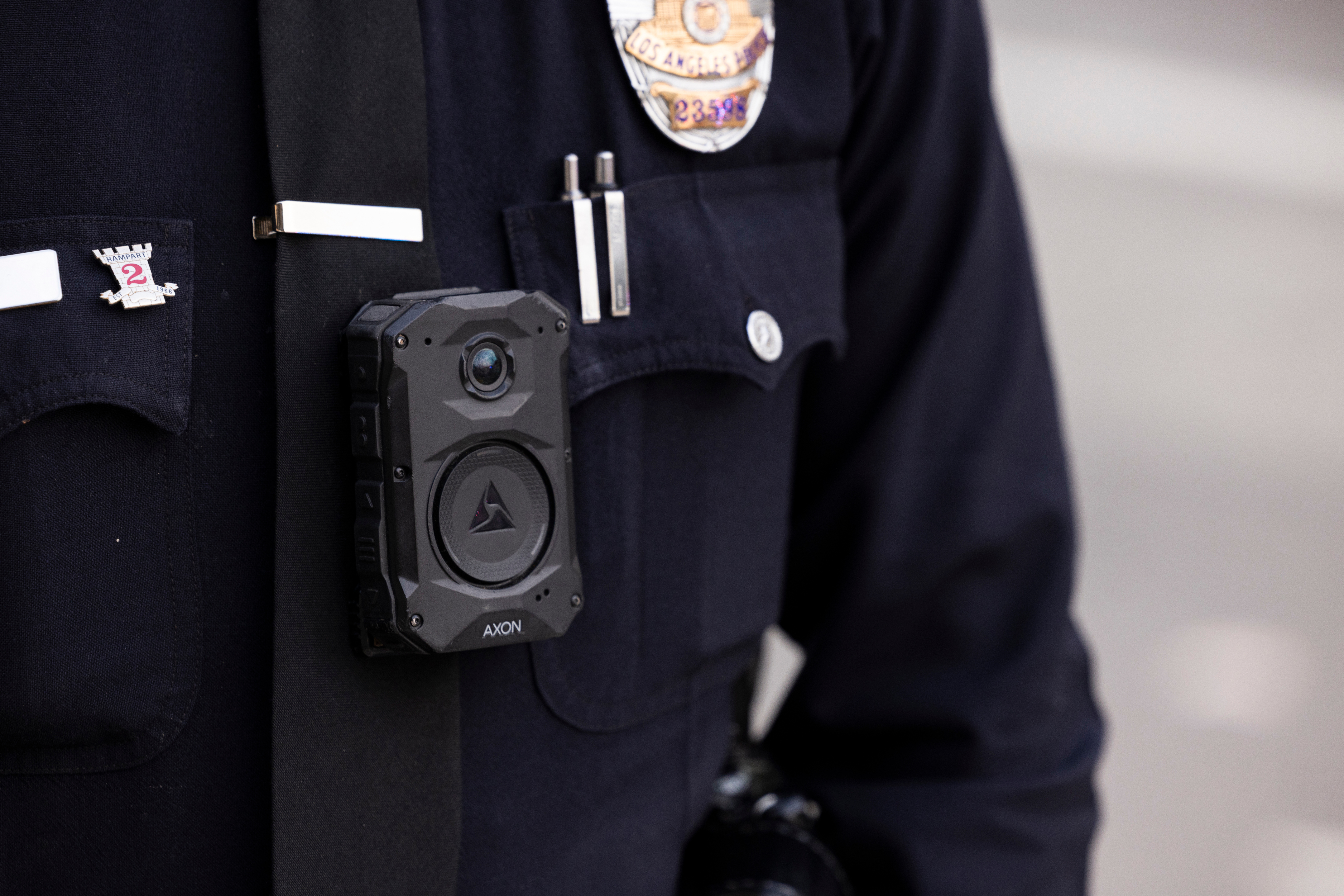
Body cameras have been in widespread use for over a decade. By 2016, nearly half of all U.S. law enforcement agencies had deployed them, and the number has grown steadily since. Proponents point to several potential benefits, including better transparency, increased civility during encounters, and quicker resolution of citizen complaints and lawsuits that allege excessive use of force. Research from the Chicago Police Department found body cameras associated with a 29% reduction in use-of-force complaints - a meaningful data point for any department managing liability and community relations simultaneously.
But the evidence is more nuanced than the headline numbers suggest. A Force Science study found that an estimated 76% of the information perceived and relied on by officers in their decision-making was not captured on the body camera. What a lens mounted to a chest cannot record is the full context an officer experiences: the movement at the edge of frame, the auditory cues, the split-second assessment that shapes every decision. If video is intended as a tool to increase transparency and support honest accountability, viewers need to not only be video literate, they need to understand police practices, threat assessments, law, de-escalation, and the reality of human performance.
This is not an argument against body cameras. It is an argument for understanding what they are and what they are not. Documentation is accountability after the fact. The more important question for officer safety, community outcomes, and public trust is what happens before the camera ever needs to tell the story.
The erosion of police legitimacy and public trust may be more difficult to quantify than direct injury costs, but it is arguably more influential in shaping long-term public perceptions than personal injuries alone. When an encounter escalates to a level that generates footage, the damage, to individuals, to agencies, to community relationships, may already be done. The goal is not better documentation of difficult outcomes. The goal is fewer difficult outcomes.
That distinction is at the core of what PepperBall was built to do. With an effective range up to 150 feet, PepperBall gives officers the distance to make better decisions before a situation demands one. Distance creates time. Time enables assessment. Assessment enables de-escalation. That sequence - distance, time, decision - is where injuries are avoided and community trust is either protected or lost.
Non-lethal tools change the equation by expanding what's possible between a verbal command and a higher level of force. The legislative environment reflects how broadly that thinking has taken hold. Bipartisan legislation reintroduced in 2025 - the Innovate to De-Escalate Modernization Act - aims to give law enforcement the resources they need to access effective less-than-lethal alternatives to firearms in high-risk situations, addressing regulatory barriers that currently make procurement difficult for smaller departments. The message from both sides of the aisle is the same: equipping officers with proven non-lethal options is not a concession, it is a strategy.
PepperBall has operated on that strategy for more than 25 years. Since 2022, U.S. law enforcement agencies have tracked more than 143,000 de-escalations using PepperBall. Millions of projectiles have been deployed with zero reported direct fatalities. More than 10,000 agencies worldwide have made it part of their operational standard.
Those outcomes don't happen without preparation. PepperBall conducts more than 200 train-the-trainer sessions annually across the U.S., ensuring agencies aren't just equipped - they are ready. When communities see agencies resolve high-stress encounters with better control and fewer harmful outcomes, trust improves.
That is the framework modern policing needs: tools that create transparency and tools that create options. Body cameras document what happens. Non-lethal technology shapes what happens. Together, they give departments a credible answer to the question every community is asking - not just what did your officers do, but what were they equipped to do.
Learn how PepperBall supports your agency de-escalation outcomes and use-of-force training. Request a demo.